Common Reasons Charlotte Homes Need Water Damage Restoration
Зміст
Charlotte's combination of seasonal storms, humid weather, aging homes, and expanding neighborhoods means that water damage is a common issue throughout the region. Understanding what causes water damage is the first step toward protecting your property and reducing the likelihood of major restoration work.
In this guide, we'll explore the most common reasons Charlotte homes require water damage restoration, explain why these issues occur, and share practical tips to help homeowners prevent future damage.
Why Water Damage Is More Serious Than It Appears
Many homeowners assume that once standing water is removed, the problem has been solved. Unfortunately, that's rarely the case.
Water travels quickly through porous building materials such as drywall, insulation, wood framing, carpeting, and subflooring. Even when surfaces appear dry, hidden moisture may remain trapped inside walls or beneath flooring. Over time, this moisture can weaken structural materials, cause wood to rot, encourage mold growth, and create unhealthy indoor air conditions. Working with a professional Charlotte Water Damage Restoration company ensures hidden moisture is thoroughly detected and removed before it leads to more extensive structural damage.
Because of Charlotte's humid climate, damp materials also take longer to dry naturally, making prompt restoration especially important.
1. Burst or Leaking Pipes
Plumbing failures remain one of the most common causes of residential water damage.
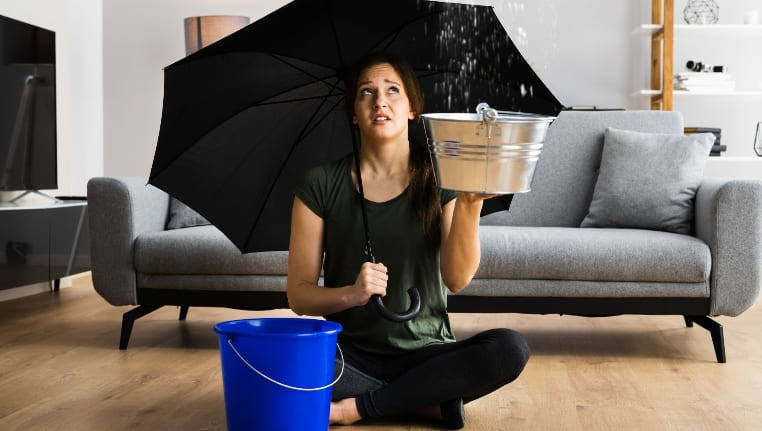
A burst pipe can release hundreds of gallons of water in just a few hours, damaging multiple rooms before homeowners even notice the leak.
Even slower leaks can become major problems if they occur behind walls, beneath sinks, or inside crawl spaces.
Common plumbing issues include:
Frozen or burst pipes
Corroded plumbing lines
Loose pipe fittings
Water supply line failures
Hidden pipe leaks
Worn shut-off valves
Routine plumbing inspections can help identify small issues before they become expensive emergencies.
2. Heavy Rainfall and Severe Storms
Charlotte experiences frequent thunderstorms, especially during the spring and summer months. Intense rainfall can overwhelm drainage systems, allowing water to enter homes through vulnerable areas.
Storm-related water damage often affects:
Roofs
Windows
Basements
Crawl spaces
Foundations
Garages
If rainwater isn't removed quickly, moisture may spread into insulation, drywall, and flooring, requiring professional drying and restoration.
3. Roof Leaks
Your roof serves as your home's first line of defense against the weather. Over time, roofing materials naturally deteriorate due to age, wind, sun exposure, and heavy rainfall.
Small roof leaks often go unnoticed until homeowners discover:
Ceiling stains
Peeling paint
Wet insulation
Sagging drywall
Mold in the attic
Regular roof inspections can help identify damaged shingles, flashing, and vents before leaks develop.
4. Appliance Failures
Modern homes rely on several appliances connected to water lines. While convenient, these appliances can become unexpected sources of water damage if hoses or internal components fail.
The most common culprits include:
Washing machines
Dishwashers
Refrigerators with ice makers
Water heaters
HVAC systems
Water filtration systems
Many appliance leaks begin slowly, making them difficult to detect until visible damage appears.
Replacing aging hoses and checking connections periodically can help prevent unexpected failures.
5. Clogged Gutters and Poor Drainage
Gutters play a critical role in directing rainwater away from your home.
When gutters become clogged with leaves, branches, or debris, rainwater overflows and may collect around the foundation.
Over time, this can lead to:
Basement leaks
Foundation seepage
Crawl space moisture
Exterior wall damage
Soil erosion
Cleaning gutters at least twice a year is one of the simplest ways to reduce water intrusion.
6. Foundation Cracks
Even small cracks in a home's foundation can allow water to enter during periods of heavy rainfall.
As water repeatedly enters through these openings, moisture accumulates in basements and crawl spaces, increasing the risk of mold, wood rot, and structural damage.
Signs of foundation-related water intrusion include:
Damp basement walls
White mineral deposits
Standing water after storms
Persistent musty odors
Professional sealing and drainage improvements can help prevent recurring problems.
7. Sewer Line Backups
Although less common than plumbing leaks, sewer backups are among the most serious forms of water damage.
A blocked sewer line may force contaminated wastewater back into bathrooms, laundry rooms, or basements.
Because sewage contains harmful bacteria and other contaminants, professional cleanup and sanitization are essential.
Attempting to clean sewage damage without proper equipment may expose homeowners to significant health risks.
8. HVAC System Condensation
Many homeowners don't realize their heating and cooling systems produce moisture.
If condensate drain lines become clogged or drip pans overflow, water may leak into ceilings, walls, or utility rooms.
Regular HVAC maintenance helps keep drainage systems functioning properly and reduces the likelihood of hidden water damage.
9. Overflowing Fixtures
Toilets, sinks, bathtubs, and showers occasionally overflow due to clogged drains, plumbing issues, or accidental misuse.
While some overflows are minor, large amounts of water can quickly seep beneath flooring and into adjacent rooms.
Prompt cleanup helps prevent moisture from reaching structural materials.
10. Hidden Moisture and Slow Leaks
Not every water damage emergency is dramatic.
Some of the most expensive restoration projects begin with leaks that remain unnoticed for months.
Hidden leaks commonly occur:
Behind drywall
Under sinks
Beneath flooring
Around window frames
Inside crawl spaces
Around plumbing fixtures
Signs of hidden moisture include:
Musty odors
Soft drywall
Peeling paint
Warped flooring
Unexpected increases in water bills
Mold growth
Routine home inspections can identify these problems before they cause extensive damage.
Why Charlotte Homes Face Higher Water Damage Risks
Charlotte's environment creates unique challenges for homeowners.
Several local factors contribute to increased water damage risks:
Frequent seasonal thunderstorms
High annual humidity
Older residential plumbing systems
Expanding neighborhoods with varying drainage conditions
Crawl space construction common throughout the region
Occasional flash flooding
Because moisture evaporates more slowly in humid conditions, professional drying equipment is often necessary to fully remove hidden water.
When Should You Call a Water Damage Restoration Company?
Professional restoration is recommended whenever:
Water has entered walls or ceilings.
Standing water is present.
Flooring becomes saturated.
A pipe bursts.
Stormwater enters your home.
Sewage backs up.
Mold appears after water damage.
You notice persistent dampness or musty odors.
Even if the affected area appears small, hidden moisture may continue spreading beneath the surface.
How to Reduce the Risk of Water Damage:
While emergencies can't always be prevented, homeowners can significantly reduce the chances of water damage with routine maintenance.
Preventive maintenance checklist:
Inspect plumbing annually.
Replace aging appliance hoses.
Clean gutters and downspouts.
Repair roof damage promptly.
Inspect attic insulation for leaks.
Seal foundation cracks.
Install water leak detection devices.
Test your sump pump regularly.
Service your HVAC system annually.
Monitor monthly water bills for unusual increases.
Consistent maintenance often prevents minor issues from becoming costly restoration projects.
Frequently Asked Questions:
RemonterWhat is the leading cause of water damage in Charlotte homes?
Plumbing leaks and burst pipes are among the most common causes, followed closely by storm-related roof leaks and appliance failures.
Can small leaks really cause major damage?
Yes. Slow leaks often remain hidden for weeks or months, allowing moisture to damage structural materials and encourage mold growth.
Does homeowners insurance cover water damage?
Many insurance policies cover sudden and accidental water damage, such as burst pipes or appliance malfunctions. Flood damage and long-term maintenance issues may require separate coverage.
How quickly should restoration begin?
Water damage restoration should ideally begin within the first 24 hours to minimize structural damage and reduce the risk of mold growth.
Can water damage lower my home's value?
Yes. Unresolved water damage, mold, or structural deterioration can negatively affect resale value and create complications during home inspections.
Final Thoughts:
Water damage can affect any home, regardless of its age or location. In Charlotte, seasonal storms, humid weather, plumbing failures, appliance leaks, roof damage, and foundation issues are among the most common reasons homeowners require professional water damage restoration.
Recognizing these risks early—and responding quickly when water damage occurs—can help protect your home's structure, improve indoor air quality, and reduce long-term repair costs. Regular maintenance, prompt leak detection, and professional restoration when needed are the most effective ways to preserve your property and avoid more extensive damage in the future.
By understanding the common causes of water damage and taking preventive action, Charlotte homeowners can keep their homes safer, healthier, and better prepared for whatever the seasons bring.
Remonter